제작
GODTECH / ADDITIVE MANUFACTURING
L-PBF & DEDMetal Manufacturing
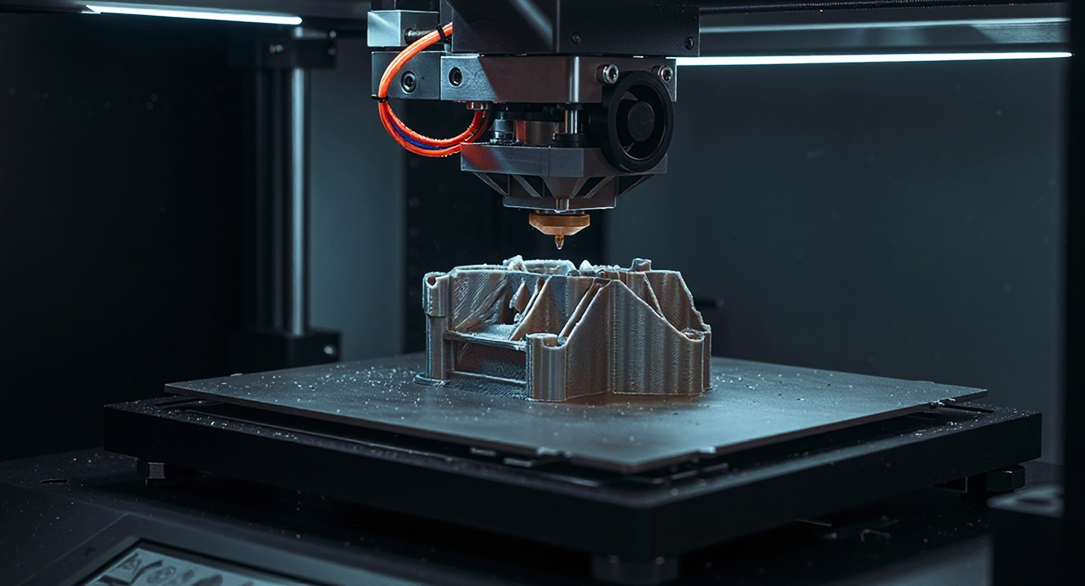
Complex-shaped advanced material components that are difficult to achieve through traditional casting/forging are manufactured through L-PBF (Laser Powder Bed Fusion) 3D printing
For precision components with relatively simple shapes where internal or external flow paths are not complex, DED (Direct Energy Deposition) 3D printing can also be applied
Precision
High precision and surface finish quality
Geometry
Complex shape implementation possible
Performance
Superior mechanical properties compared to cast/forged products
01 / PROCESS
From design to validation.
설계 파일 검토부터 테스트 및 검사까지 총 5 STEP 구성
- 01
Design file review
제작 필요한 제품이나 부품에 대한 설계 데이터 기반으로 모델링 검토
- 02
설계 최적화 및 해석
적층 경로에 따른 설계 최적화 DfAM 전용 S/W 통한 잔류응력 및 열해석
- 03
AM
고객사의 요구 특성 및 형상을 만족 시킬 수 있는 AM 방식과 소재 선택 최적화 공정을 통해 제품,부품 제작
- 04
후처리 및 후가공
제작 완료 (보수 완료) 제품 및 부품 고객 요구 조건에 따라 최적의 후처리 및 후가공 적용 (HIP, 열처리, 컷팅, 절삭, 밀링, 블라스팅 등)
- 05
테스트 및 검사
고객사 요구 사항에 따라 시험 및 검사 수행 3D Scanning – 치수 검사 비파괴 검사 – 결함 검사 기계적 특성 검사 수행 (Tensile, LCF,Creep)


02 / ENGINEERING REVIEW
Design and process review
Design validation and build preparation for precise additive manufacturing
BUILD PREPARATION
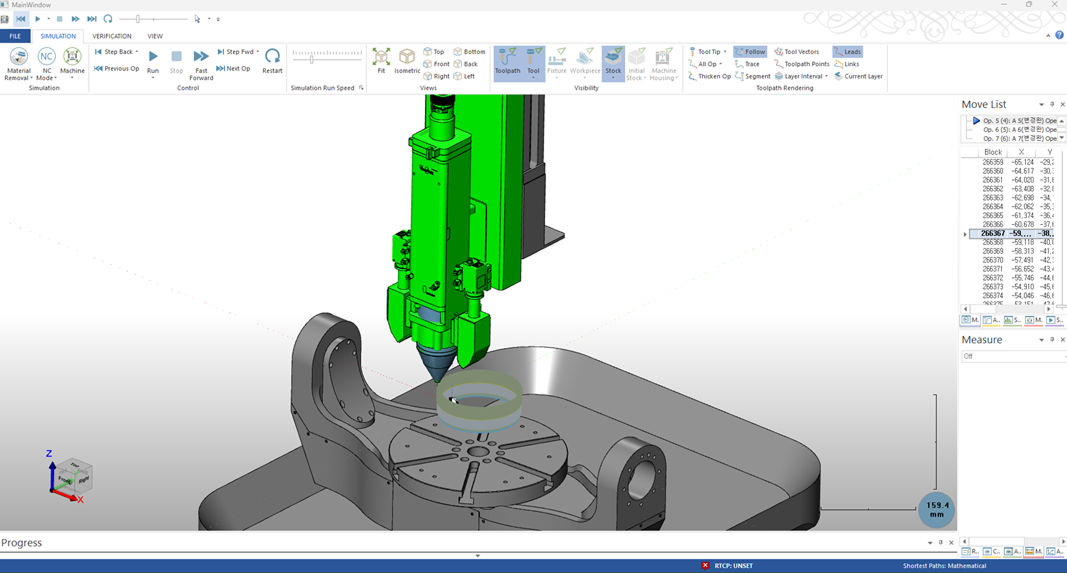
AM Build preparation & Simulation
Perform shape design and build preprocessing (support generation, simulation, etc.) for additive manufacturing processes using 3D modeling and simulation software such as Rhino, CATIA, and Magics
- Software Stack
- Rhino · CAM Simulation · CATIA · Magics · Simulfact
- Focus
- Support generation, build simulation, manufacturability review, and process optimization.
03 / REFERENCE
portfolio
PBF Videos
POWDER BED FUSIONDED Videos
DIRECTED ENERGY DEPOSITION04 / QUALITY ASSURANCE
테스트 및 검사
제품 및 부품의 품질과 신뢰성을 검증하기 위한 시험 및 검사
01 / NON-DESTRUCTIVE EVALUATION
비파괴 검사(NDE)
제작 완료된 제품 및 부품의 결함 검사
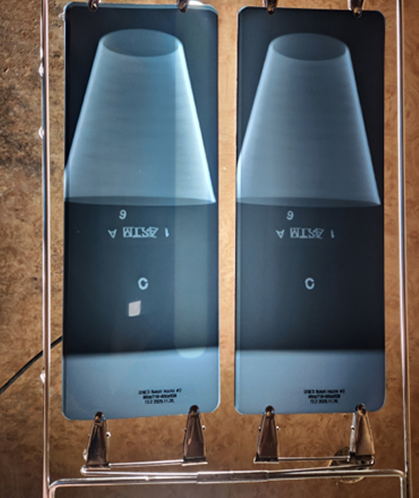
Radiographic Test (RT)
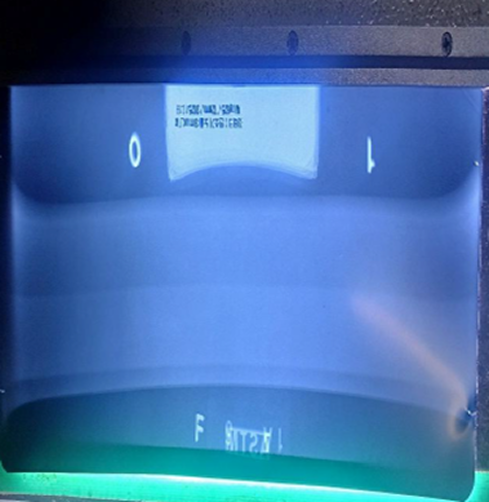
Radiographic Test (RT)
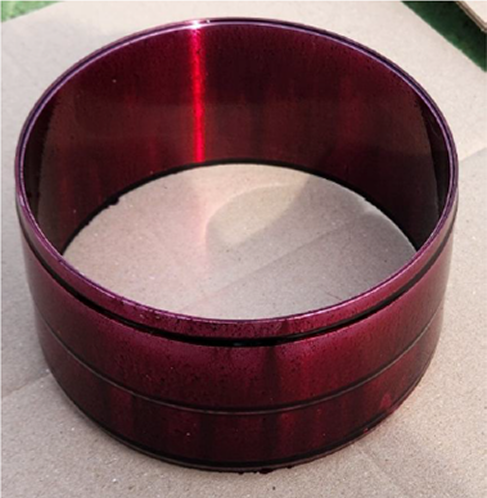
Penetrant Test (PT)
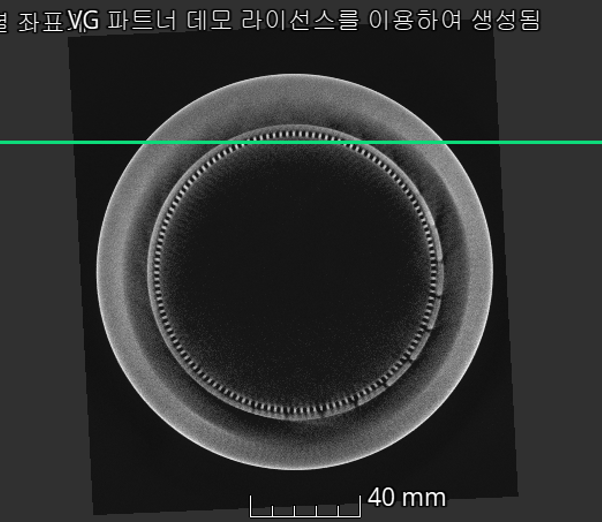
Computed Tomography Test
02 / MECHANICAL TESTING
기계적 특성 평가
제품 및 부품 제작 시 적용한 공정의 신뢰성 평가
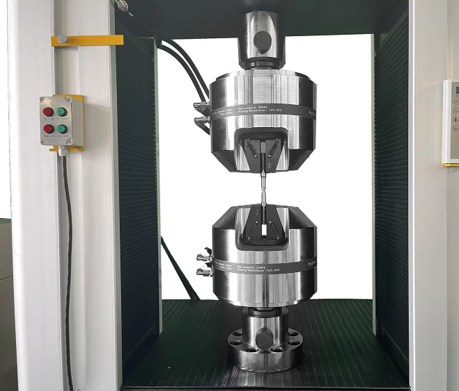
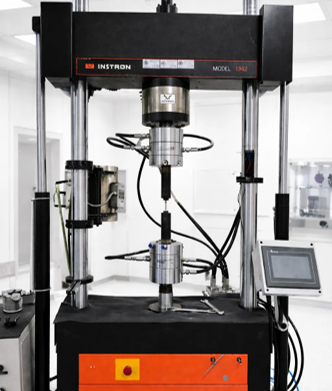
Tensile Test (RT/HT)
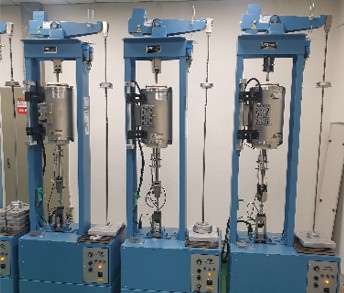
Low Cycle Fatigue